
Assessment
A detailed history, then a thorough examination of movement, strength and the affected area. You leave with a working diagnosis you understand and a plan agreed with you, not handed to you.
Back and neck surgery takes pressure off a nerve or steadies a segment of the spine, but the muscles around it still need rebuilding. We run staged rehab after decompression, discectomy and fusion, always to your surgeon's plan, so you get back to work, training and everyday life with confidence.

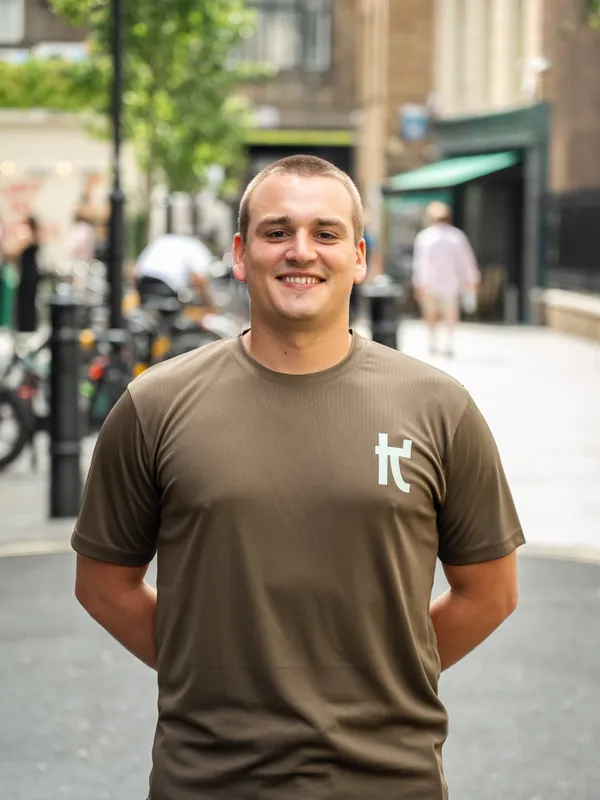
Chartered Physiotherapist, BSc

Musculoskeletal Physiotherapist, MSc

Chartered Physiotherapist, BSc

Chartered Physiotherapist, DPT, BSc
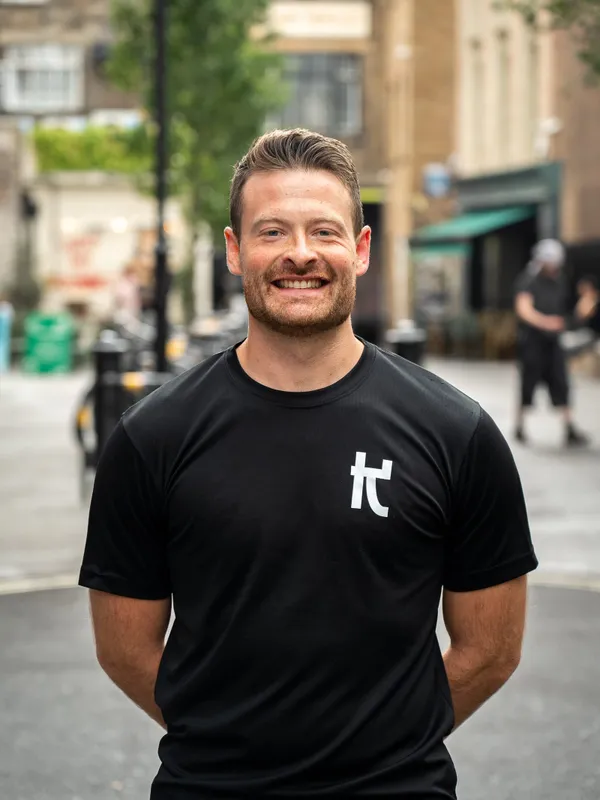
Founder & Chartered Physiotherapist, MSc, BSc
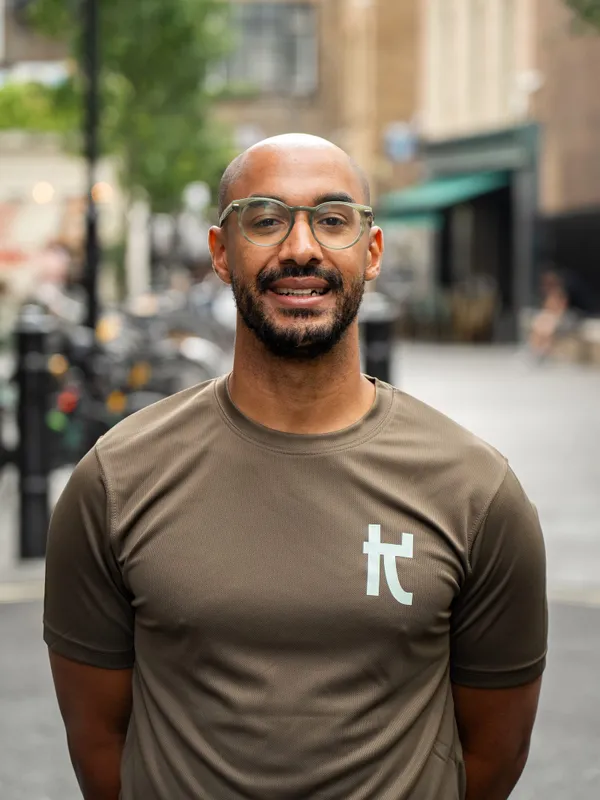
Co-Founder & Chartered Physiotherapist, MAACP, BSc
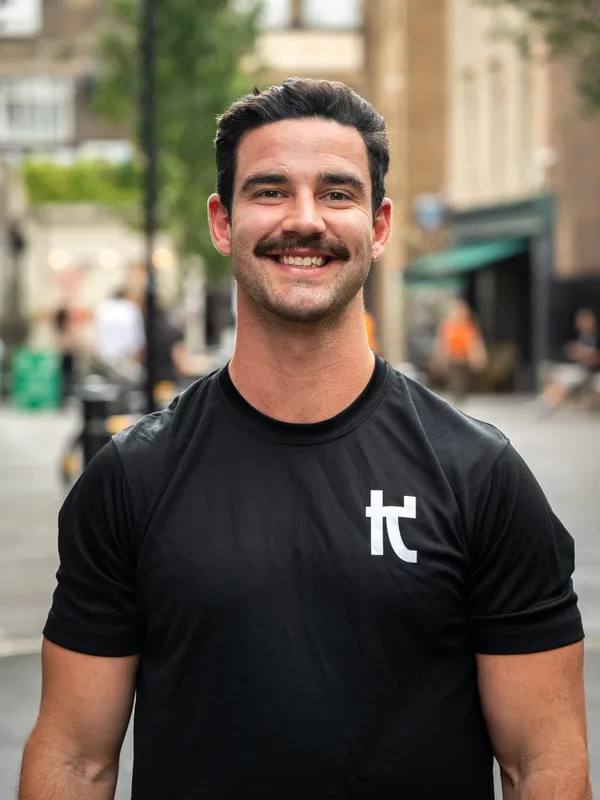
Chartered Physiotherapist, BSc, MSc
Paediatric Physiotherapist, MCSP, BSc
Overview
Spinal surgery fixes a specific problem: a disc pressing on a nerve, a narrowed canal, or a segment that needs fusing. What it cannot do on its own is restore the strength, movement and confidence you lost in the months of pain beforehand and the weeks of rest afterwards. That is the job of rehabilitation, and how well you recover depends heavily on it.
We work with people after the most common spinal operations:
Every plan starts with the restrictions your surgeon sets: what to avoid, for how long, and whether you need a brace. Early work is gentle: walking, breathing and simple movement to ease stiffness and protect circulation. From there we rebuild the muscles that support your spine through your trunk, hips and legs, often using reformer Pilates, then load you towards the specific demands of your work, training or sport.
Recovery after spinal surgery is measured in months, and some people take up to a year to feel fully back to normal. We set honest, individual timelines, progress you on what you can do rather than on dates, and keep your surgeon informed along the way.
Excellent
From 6 five-star Google reviews
Source: Google
David helped me when I started to have a strong tibia pain only 5 weeks before the marathon. I genuinely thought at some point that I wasn’t going to be able to do it and I did my PB!
After suffering with terrible back pain, Gus has helped me make huge improvements. Very professional and happy to explain the processes and treatments. Many thanks
Couldn’t recommend this physio team enough! They helped me recover from a knee injury 3 weeks before the London Marathon which I thought was going to prevent me from running it! Everyone was really friendly, supportive and genuinely cared about helping me reach my goal. Special thanks to Charlie, Gus, Brad and Stef!
I came to Dave with an ongoing injury that I’ve been struggling with for months! He helped sort it out straight away, also giving me some exercises to help target the area to get back to full strength. I’m now back to running pain-free already and training properly — I’ll definitely be recommending Kaizen Physiotherapy to my clients!
Gus worked miracles to get me running a marathon after being injured 6 weeks out. He worked out the issue really quickly and provided a clear and actionable plan to deal with it. The sports massages were the best I’ve ever had too — thanks Peggy! Can’t recommend Gus and Peggy enough.
I had such a positive experience working with Brad at Kaizen. He supported me through a meniscus tear and got me all the way back to running a half marathon and HYROX training. Everything was structured, progressive, and easy to follow, and I always felt like I was in safe hands.
We start from the restrictions your surgeon sets: lifting limits, how long to avoid bending or twisting, and whether you need a brace. Everything we add sits inside those limits, and we explain the plan in full so you know what is safe at each stage.
Short walks, breathing work and gentle movement in the first weeks ease stiffness, protect circulation and stop you seizing up. We show you how to get in and out of bed, sit and stand in ways that protect the operated level.
Once your surgeon allows it, we strengthen the trunk, hips and legs that support your spine, often using reformer Pilates, where the springs let us add load gradually and precisely. Each review checks your progress against where you started.
Tingling or numbness in the leg or arm often settles slowly after decompression or discectomy. Graded movement and loading help, and we monitor these symptoms closely so anything unexpected goes straight back to your surgeon.
Later stages prepare you for the real demands of your life: lifting, long days at a desk, the gym or your sport. You move on when you can do the work comfortably, not because a set number of weeks has passed.
You see the same physiotherapist throughout, and we keep your surgeon or consultant informed as the plan progresses. If you are still waiting for surgery, we can start with prehab to get you stronger before the operation.
Why it happens
Decompression surgery such as laminectomy, where the canal or nerve root has been freed but the surrounding muscles are weak and guarded
Discectomy or microdiscectomy for sciatica, where nerve symptoms can take weeks to settle as the trunk and hips are retrained
Lumbar or cervical fusion, where the fused segment needs protecting while the levels above and below learn to share the load
Months of pain before surgery, leaving the back, hips and legs deconditioned and movement patterns cautious
Weeks of reduced activity after the operation, with stiffness, lost fitness and low confidence in bending, lifting and sitting
Returning to work, lifting or training before strength and movement control have been rebuilt

Your initial visit runs 45–60 minutes: a detailed history, then a thorough examination of movement, strength and the affected area. We explain what we find in plain English and agree a working diagnosis together.
Treatment starts the same day, and you leave with the first exercises of a plan built around your goal.
Better than yesterday. Kaizen means continuous improvement: small, repeatable gains, built session by session, until you are back to what you love and no longer need us.


Book online through Jane and self-refer, with no GP letter needed. If you are using private health insurance, check your policy first: some insurers ask for a GP referral before your first session.
Everything starts with a proper assessment. We find what is driving the problem, treat it, and build the strength that keeps it fixed, so you finish performing, not just pain-free.
A detailed history, then a thorough examination of movement, strength and the affected area. You leave with a working diagnosis you understand and a plan agreed with you, not handed to you.

Hands-on care to settle symptoms and restore movement: manual therapy, with acupuncture, shockwave or soft-tissue work where they genuinely help. The first home exercises go with you the same day.

Progressive exercise that returns strength, control and load tolerance, from Reformer Pilates to strength and conditioning. Each follow-up reassesses against your baseline, so progress is measured rather than guessed.

Criteria-based milestones return you to work, sport and training. Discharge happens by mutual agreement once you can manage independently, with a Performance MOT available to catch the next weak link early.

Treatment approach
Physiotherapy leads your recovery from the first weeks: assessing your range and strength, setting safe daily activity within your surgeon's restrictions, and building a staged exercise plan that rebuilds the muscles supporting your spine.
See treatment detail →Reformer Pilates is a controlled way to restore trunk and hip strength once your surgeon allows it. The springs let us load the spine gradually and precisely, which suits the middle stages of rehabilitation after decompression, discectomy and fusion.
See treatment detail →In the early weeks, when travel and sitting are uncomfortable, a home visit or video session keeps your rehabilitation going without the strain of a journey into clinic.
See treatment detail →FAQ
Gentle movement and walking usually start within a day or two, often guided by the hospital physiotherapy team. Outpatient rehabilitation with us typically begins once you are home and settled, at a point your surgeon is happy with. We follow their post-operative restrictions, including any lifting limits or brace use, and build the plan around them.
It depends on the operation. Many people are back to light work within weeks after a discectomy, while recovery from a fusion takes longer, and a full return to heavy lifting or sport can take many months or up to a year. We set an honest timeline at your first session and update it as you progress.
Yes. Getting stronger and fitter before spinal surgery, often called prehab, helps your body cope with the operation and can make the early weeks of recovery easier. We build a short, targeted programme around your symptoms and the date of your surgery, and check it fits with your surgeon's advice.
Seek urgent care or contact your surgical team if you notice new or worsening numbness or weakness in the legs, numbness around the saddle area, changes to bladder or bowel control, signs of wound infection, or a fever. We screen for these at every session and will refer you straight back to your surgeon if anything needs review.
Get Started
Kaizen Physiotherapy & Performance • 111 Charing Cross Road, Soho, London WC2H 0DT
Book OnlineSame or next day appointments usually available


